Written by Koay Yih Zi
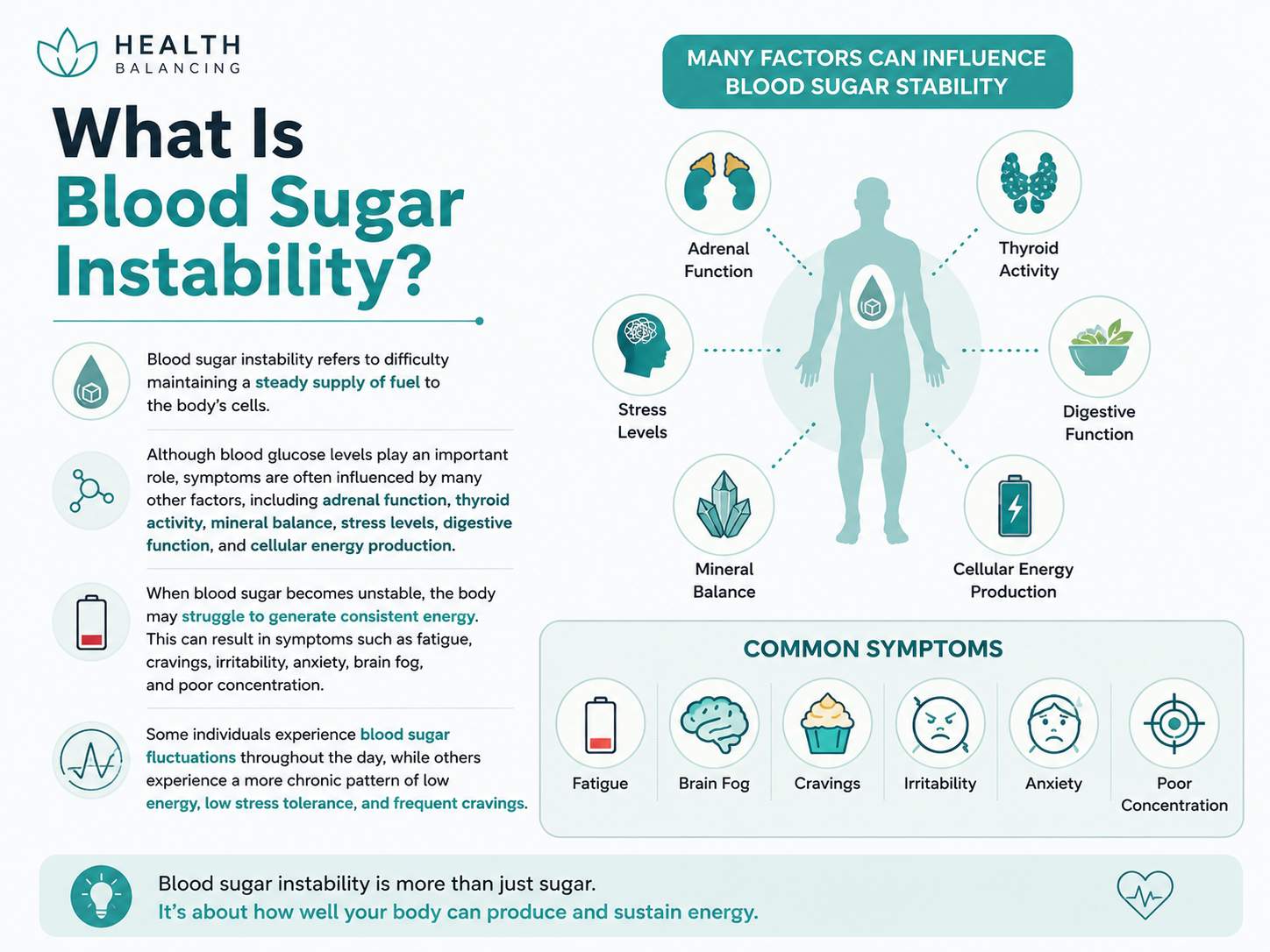
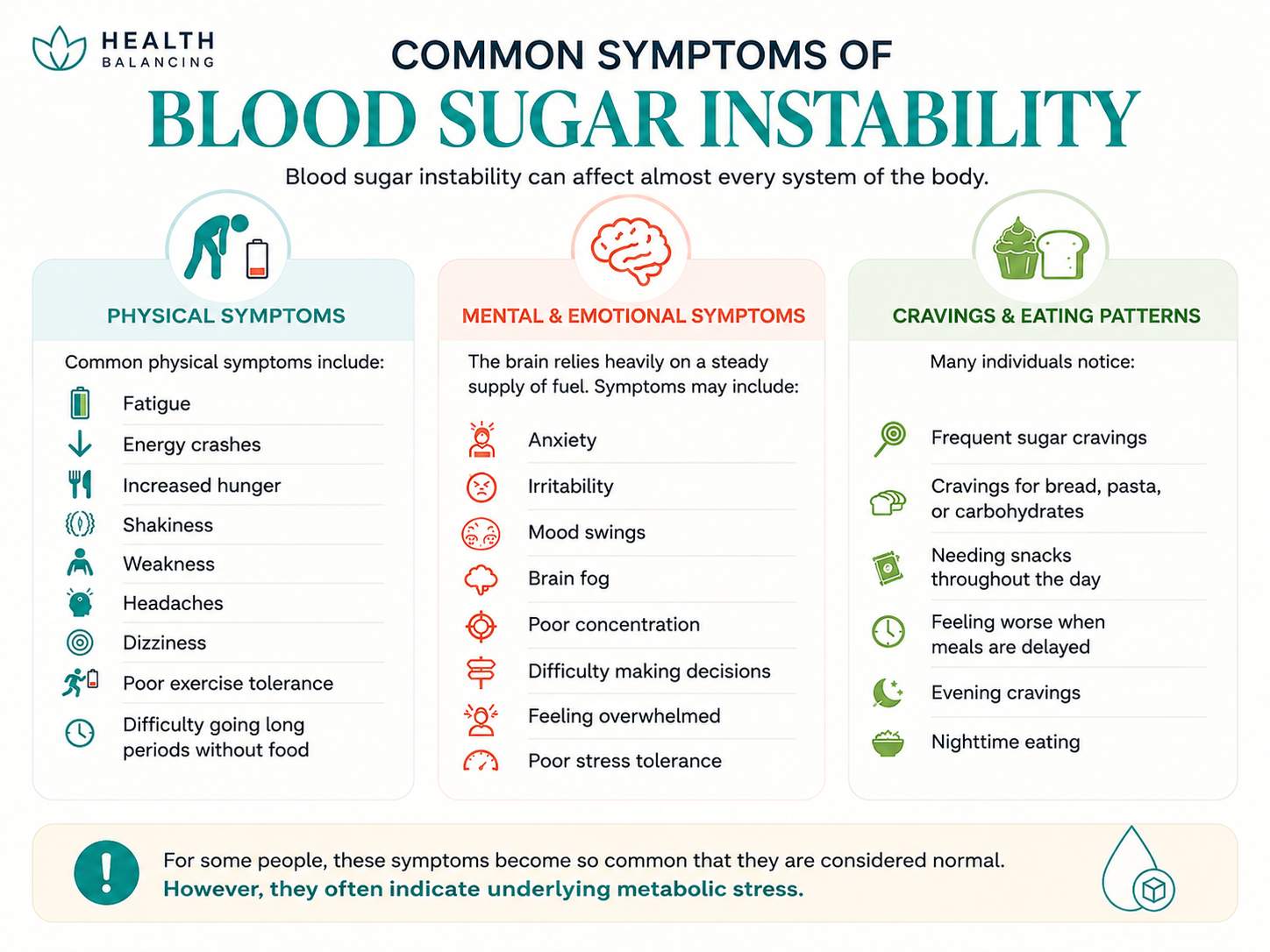
Do you become shaky, irritable, anxious, or exhausted when you go too long without eating? Do you struggle with sugar cravings, brain fog, poor concentration, energy crashes, or feeling “hangry” between meals?
These symptoms are often signs of blood sugar instability. While many people associate blood sugar problems with diabetes, fluctuations in blood sugar can occur long before diabetes develops. In fact, blood sugar imbalances may contribute to fatigue, anxiety, mood swings, sleep disturbances, cravings, and difficulty coping with stress.
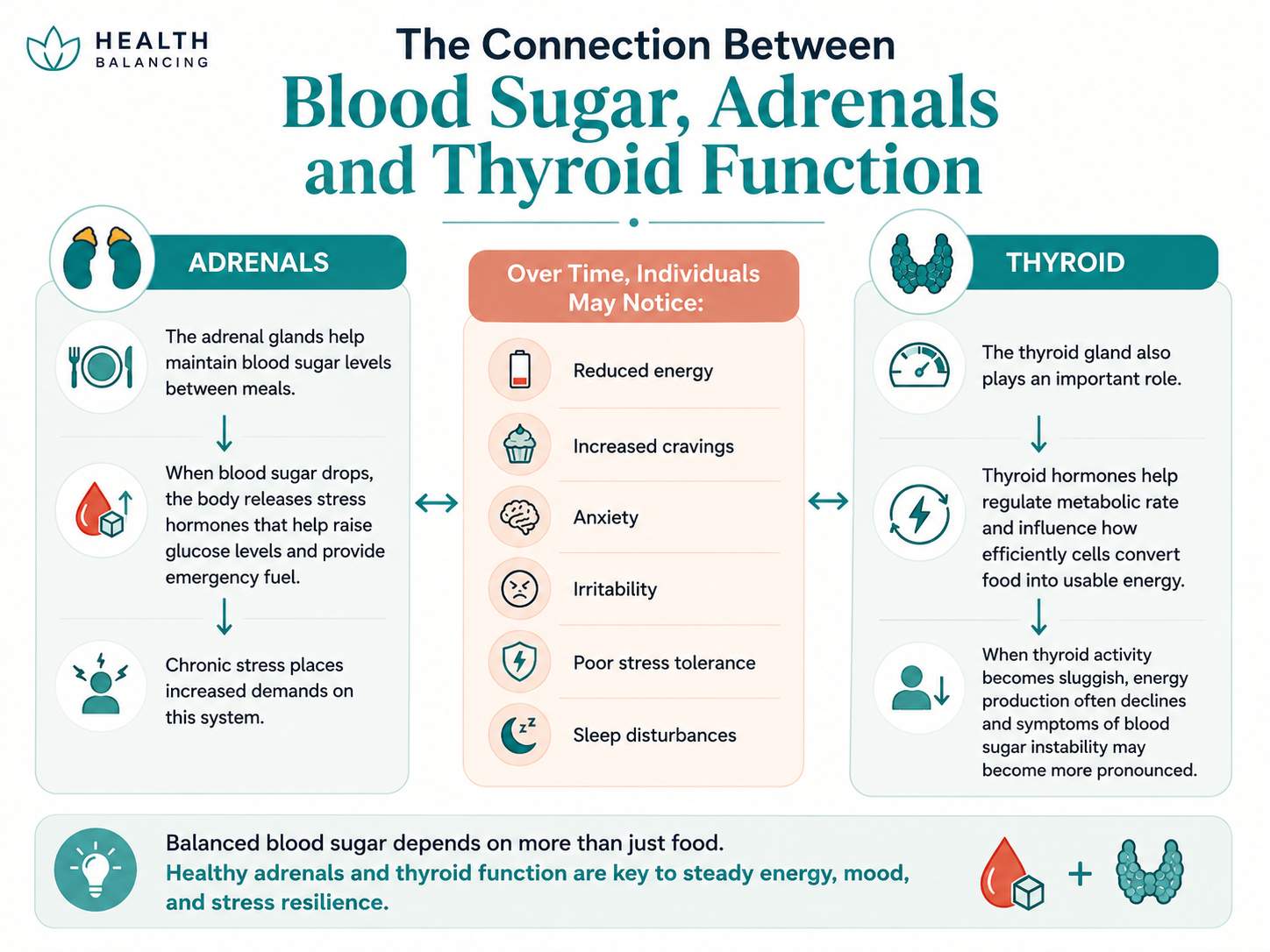
At Health Balancing, we frequently see blood sugar symptoms associated with mineral imbalances, chronic stress, adrenal dysfunction, thyroid sluggishness, and metabolic patterns identified through Hair Tissue Mineral Analysis (HTMA). Blood sugar regulation is not simply about sugar. It is closely tied to how efficiently your body produces energy.
This guide explains the common symptoms of blood sugar instability, potential underlying causes, the connection with HTMA patterns, and practical strategies that may help support more stable energy and fewer cravings.
Can low blood sugar cause anxiety?
Yes. Blood sugar fluctuations may trigger the release of stress hormones such as adrenaline and cortisol, which can create symptoms that feel similar to anxiety.
Why do I get shaky when I haven't eaten?
Feeling shaky between meals may indicate that your body is struggling to maintain stable blood sugar levels.
Can blood sugar instability cause fatigue?
Yes. Blood sugar instability can reduce the body’s ability to generate consistent energy, leading to fatigue, brain fog, and energy crashes.
Why do I crave sugar at night?
Blood sugar instability during the day may contribute to evening cravings and nighttime hunger.
Can HTMA diagnose hypoglycemia?
No. HTMA does not diagnose hypoglycemia. However, it can identify mineral patterns commonly associated with blood sugar instability and poor energy regulation.
What does slow oxidation have to do with sugar cravings and low energy?
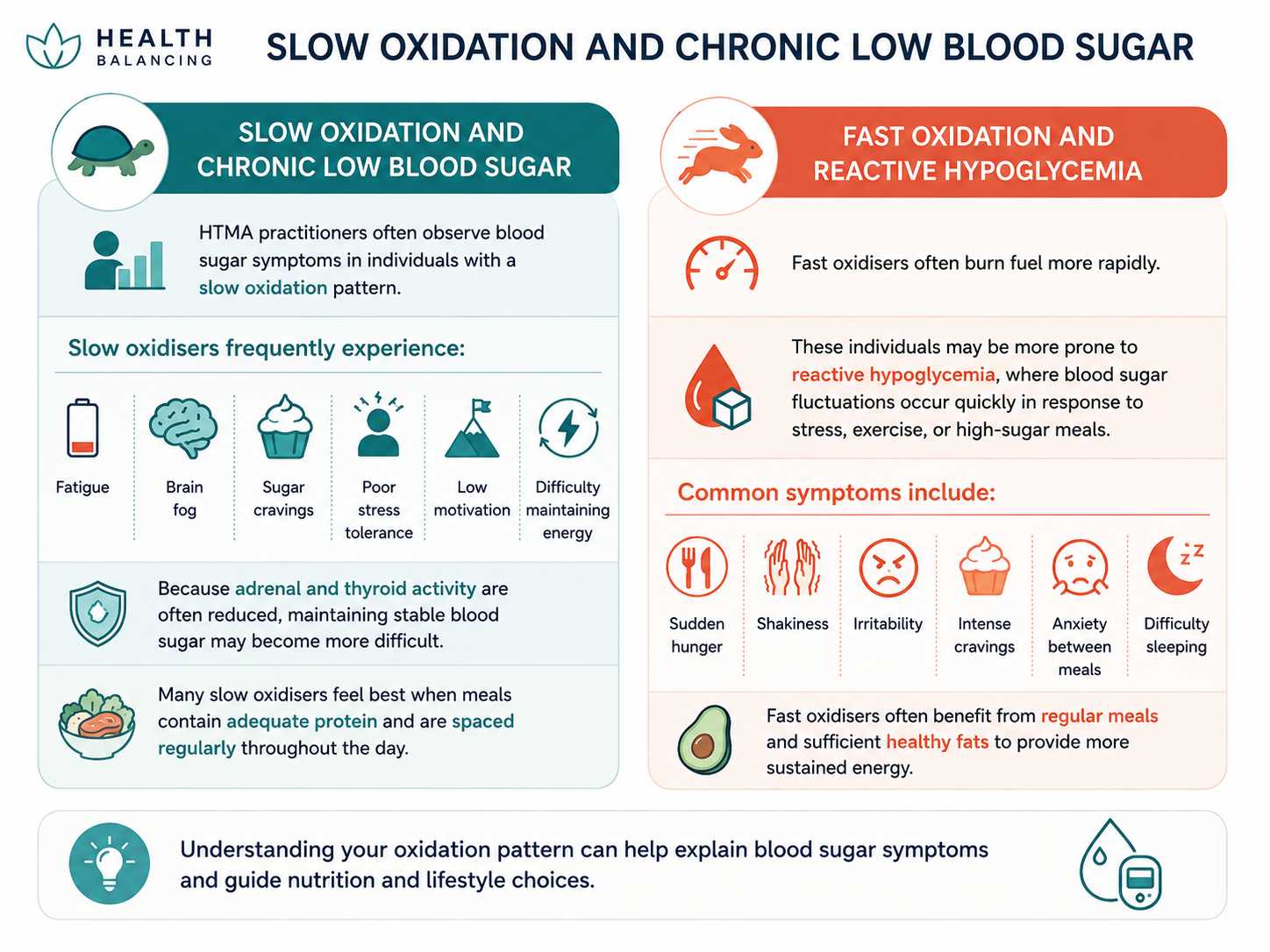
Slow oxidation is an HTMA pattern associated with slower energy production and reduced adrenal and thyroid activity. Because the body generates energy less efficiently, people with a slow oxidation pattern commonly experience fatigue, brain fog, poor stress tolerance, and frequent cravings for sugar or refined carbohydrates.
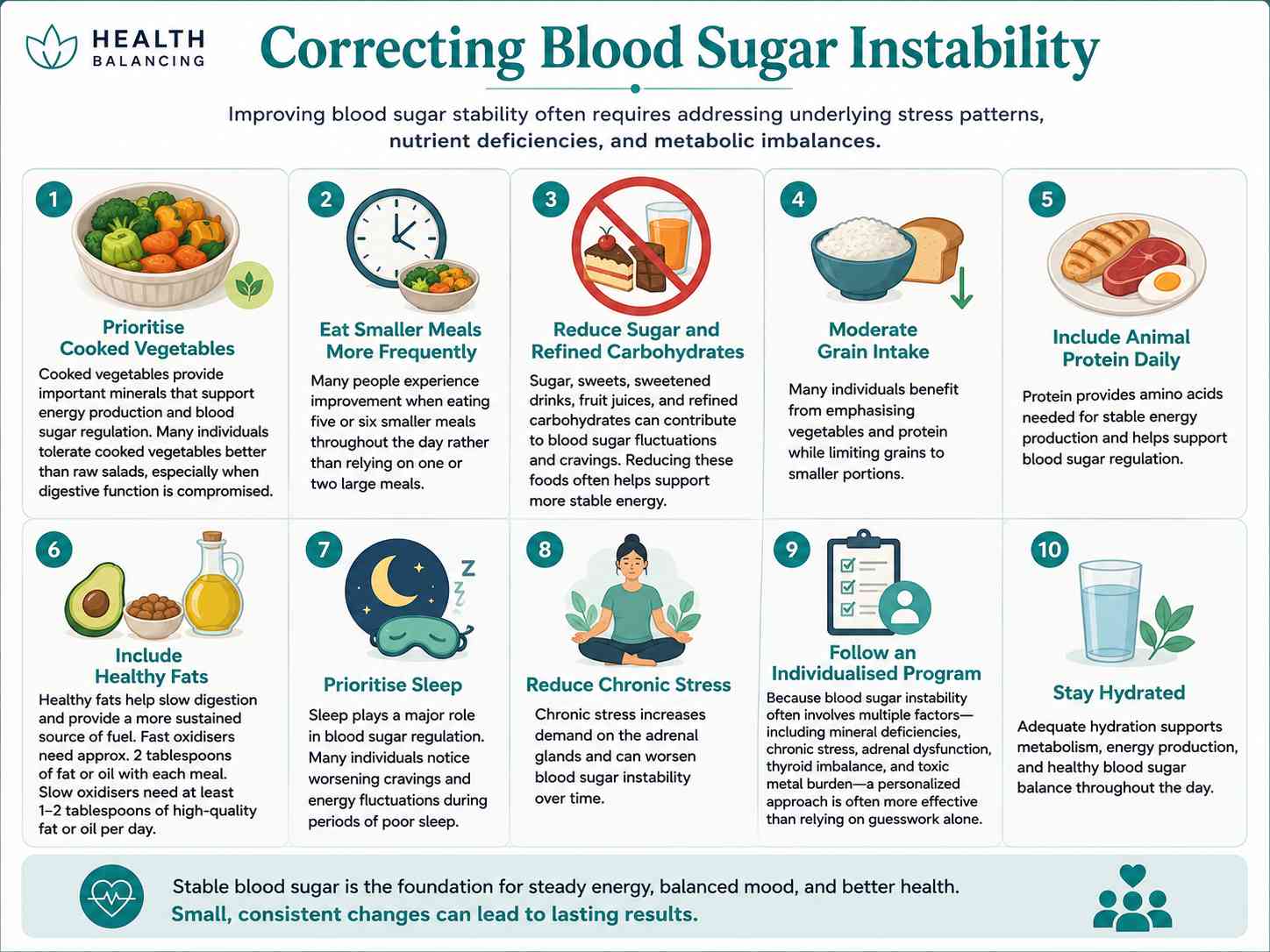
Rather than simply reflecting a lack of willpower, these cravings may indicate that the body is looking for a quick source of energy. This is why nutritional balancing programs for slow oxidisers often emphasize regular meals containing adequate animal protein, cooked vegetables, and mineral-rich foods to support more stable energy production instead of relying on sugar for short-term fuel.
Why are fast oxidisers more prone to sudden hunger and energy crashes?
Fast oxidisers burn fuel more rapidly than slow oxidisers. As a result, they may experience sudden hunger, shakiness, irritability, anxiety, or energy crashes when they go too long without eating or consume high-sugar meals.
Because their metabolism uses fuel more quickly, fast oxidisers often benefit from eating regular meals that include sufficient healthy fats alongside protein. Healthy fats help provide a slower, more sustained source of energy, reducing the rapid fluctuations that contribute to reactive hypoglycemia-like symptoms. HTMA can help determine whether a fast oxidation pattern may be contributing to these symptoms.
Which HTMA mineral patterns are associated with blood sugar instability?
commonly associated with unstable energy production and blood sugar regulation. Practitioners often evaluate oxidation rate alongside mineral ratios such as the sodium-to-potassium (Na/K) ratio and calcium-to-magnesium (Ca/Mg) ratio, as well as minerals including chromium, zinc, manganese, and potassium.
These mineral patterns are interpreted together with symptoms, health history, and retest trends rather than in isolation. They may provide valuable clues about underlying stress, adrenal and thyroid function, carbohydrate metabolism, and the body’s ability to maintain stable energy throughout the day.
Why are sodium and potassium important for blood sugar and energy?
Sodium and potassium play essential roles in cellular energy production, nerve function, fluid balance, and the body’s response to stress. In HTMA, the sodium-to-potassium (Na/K) ratio is often referred to as the stress ratio because it reflects how the body is responding to physical and emotional stress.
Low sodium and potassium patterns or a low Na/K ratio are commonly associated with fatigue, reduced stress tolerance, poor energy production, and increased susceptibility to blood sugar fluctuations. While these findings do not diagnose a blood sugar disorder, they may help explain why someone experiences cravings, shakiness, or energy crashes despite having normal blood glucose tests.