
(And What Their Body Actually Needs First)
If you’ve ever tried a detox, cleanse, fast, or protocol — and ended up feeling more tired, foggy, anxious, or depleted, you’re not alone.
And it doesn’t mean detox is “bad.”
It usually means the body didn’t have what it needed to detox properly.
Article Contents
- Detoxification Is Always Happening — But Not Always Completing
- The Missing Piece in Most Detox Advice: Energy
- The Nervous System Sets the Pace of Detox
- Detox Is a Sequence — Not a Single Action
- Why Cleanses and Fasts Often Backfire
- What Actually Allows Detox to Happen Safely
- Why Symptoms Can Appear When Healing Begins
- Where Nutritional Balancing and HTMA Fit In
- The Takeaway
- Not Sure If Detox Is the Right Step for You Right Now?
Detoxification Is Constant — But Not Always Efficient
Detoxification isn’t something you start and stop.
It’s one of the body’s most critical survival functions.
Every day, your body relies on:
- the liver
- kidneys
- bowel
- lungs
- skin
to neutralise, move, and eliminate waste and toxins.
When this process slows down or becomes inefficient, symptoms appear — not because detox isn’t happening, but because it’s incomplete.
Why Exhausted Bodies Struggle With Detox
The missing piece in most detox advice is energy.
Detoxification requires:
- adaptive energy
- mineral availability
- calm nervous system signalling
When someone is exhausted or burnt out, the body is already conserving energy just to function. Forcing detox in this state often makes symptoms worse.
This is why detox can feel like:
stirring up dirt without having a drain open
The Nervous System Sets the Pace of Detox
Detoxification is primarily a parasympathetic activity — the “rest, digest, and repair” side of the nervous system.
When the body is stuck in fight-or-flight:
- blood is diverted away from the liver, kidneys, bowel, and skin
- elimination slows dramatically
- toxins circulate longer instead of exiting
For many exhausted people, sympathetic dominance or chronic stress is the main barrier to detox — not toxin exposure itself.
This is why calming the nervous system is not optional.
It is foundational.
Detox Isn’t One Step — It’s a Sequence
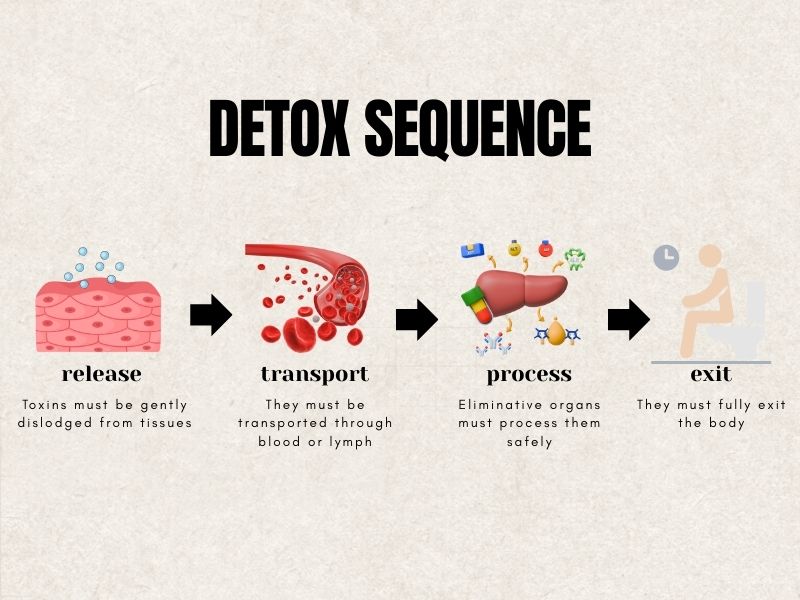
Effective detoxification always follows a sequence, whether people realise it or not:
- Toxins must be gently dislodged from tissues
- They must be transported through blood or lymph
- Eliminative organs must process them safely
- They must fully exit the body
Most “detoxes” stimulate step one — mobilisation — without supporting the rest.
That’s when symptoms escalate.
Why Cleanses and Fasts Often Backfire
Many popular detox methods:
- reduce calorie intake
- deplete minerals
- overstimulate the nervous system
- increase yin (collapse, cooling, dispersion)
- lower metabolic energy
This includes:
- fasting
- juice cleanses
- raw food detoxes
- aggressive chelation
- excessive herbs
They may temporarily reduce symptoms — but often deepen exhaustion underneath.
For depleted bodies, nourishment comes before elimination.
What Actually Helps the Body Detox (Without Crashing)
Instead of forcing detox, the body needs conditions that allow it to detox naturally.
1. Rest Is the Primary Detox Tool
Detoxification happens most efficiently during rest and sleep.
Rest:
- lowers sympathetic activity
- frees energy for healing
- allows organs to rebuild
Many detox reactions improve simply by resting more — not doing more.
2. Calming the Nervous System Unlocks Elimination
When sympathetic activity decreases:
- circulation to the liver and kidneys improves
- bowel motility normalises
- skin elimination increases
This is why gentle practices — not stimulation — are key early on.
3. Rebuilding With Minerals Comes Before Removal
When essential minerals are low, the body may temporarily use less-preferred or toxic substitutes to keep enzymes running.
Removing those substitutes without replacing minerals like:
- zinc
- magnesium
- selenium
- calcium
creates instability.
Safe detox always includes mineral replacement, not just removal.
4. Diet Should Support Elimination — Not Deplete
For exhausted bodies, the most supportive diet is:
- mineral-dense
- mostly cooked
- non-stimulatory
Cooked vegetables, adequate protein, and mineral-rich foods provide the raw materials the body needs to detox without stress.
Extreme or restrictive diets often slow progress.
5. Supporting the Eliminative Organs Matters More Than “Detox Products”
The liver, kidneys, bowel, skin, and lungs must be functional for detox to complete.
This is supported through:
- proper digestion
- hydration
- circulation
- gentle heat
- regular bowel movements
When these systems work together, detox becomes smoother and far less symptomatic.
6. Detox Happens in Layers — Not All at Once
Toxins are stored in layers within the body.
Trying to target one toxin aggressively often fails because the body has its own prioritisation system.
When the body’s energy improves, it decides:
- what to release
- in what order
- and at what pace
This sequencing is protective — not inefficient.
Why Symptoms Can Appear When Healing Begins
When detoxification finally becomes efficient, old substances — sometimes from decades ago — may be released.
This can cause temporary symptoms:
- fatigue
- headaches
- skin reactions
- mood shifts
These are called healing or purification reactions.
They are usually signs the body finally has enough capacity to clean house.
Where Nutritional Balancing and HTMA Fit In
Nutritional balancing doesn’t force detox.
It focuses on:
- restoring energy
- balancing minerals
- calming the nervous system
- supporting elimination pathways
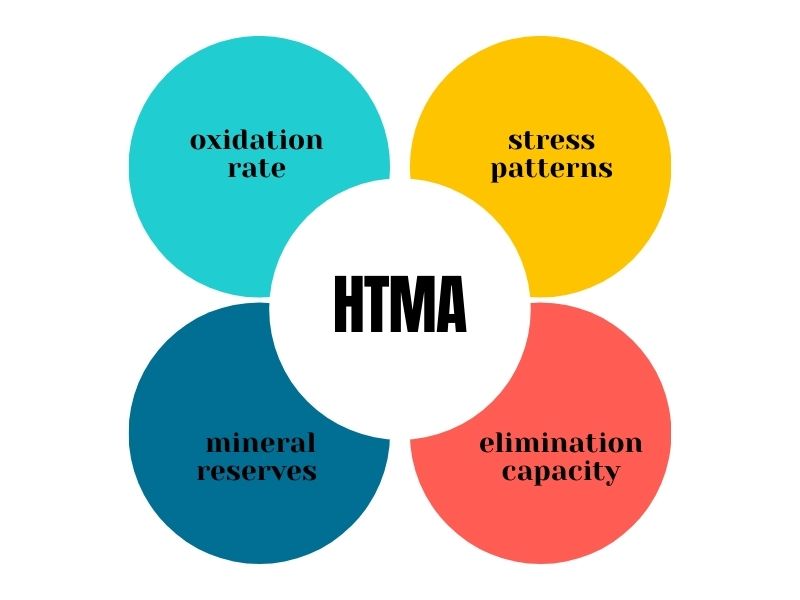
Hair Tissue Mineral Analysis (HTMA) helps assess:
- oxidation rate
- stress patterns
- mineral reserves
- elimination capacity
From there, detox becomes a natural consequence of healing, not a battle.
The Takeaway
If detox made you feel worse, it wasn’t a failure.
It was feedback.
For exhausted bodies, the most effective detox doesn’t start with removing —
it starts with rebuilding.
When the body has energy, minerals, and nervous system support, detox happens — quietly, safely, and in the right order.
Not Sure If Detox Is the Right Step for You Right Now?
If detox has made you feel worse before, it usually means your body needed stability and rebuilding first — not more pressure.
On my Start Here page, I walk you through:
- what HTMA is
- what a real report looks like
- and how this approach helps uncover deeper mineral and stress patterns
So you can decide calmly whether this path makes sense for you.